Importance, Benefits, Products and Industrial Applications
Electrical power is the backbone of modern industries. Manufacturing plants, commercial buildings, data centres, and industrial facilities depend on a stable and reliable electricity supply to operate machinery, production lines, automation systems, and sensitive electronic equipment. However, electrical disturbances such as voltage fluctuations, harmonic distortion, low power factor, and reactive power issues can affect the performance and reliability of electrical systems.
This is where Power Quality Solutions play an important role. They help industries identify, manage, and reduce electrical disturbances, improve power factor, enhance equipment performance, and maintain a more reliable electrical supply.
What Are Power Quality Solutions?
Power Quality Solutions are electrical technologies and systems designed to improve the quality, stability, and efficiency of electrical power. They help address issues such as harmonic distortion, voltage variations, poor power factor, reactive power demand, and other electrical disturbances.
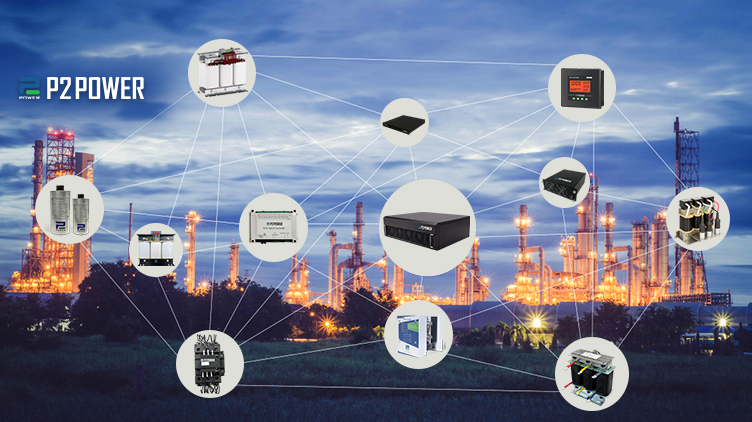
Modern industrial power quality equipment helps maintain electrical system performance and supports the reliable operation of machinery and sensitive equipment.
Some commonly used power quality products include Active Harmonic Filters, Static Var Generators, Automatic Power Factor Correction panels, Real-Time Power Factor Correction systems, and voltage regulation equipment.
Common Power Quality Problems in Industries
Industrial electrical systems can experience several power quality issues that affect productivity and equipment performance.
1. Harmonic Distortion
Harmonics are unwanted frequency components in electrical systems, commonly generated by non-linear loads such as variable frequency drives, UPS systems, and electronic equipment.
Excessive harmonic distortion can cause equipment overheating, increased losses, transformer stress, and interference with sensitive electrical devices.
Solution: Active Harmonic Filters help reduce harmonic distortion and improve electrical power quality.
2. Low Power Factor
A low power factor indicates inefficient utilization of electrical power due to excessive reactive power demand. It can increase current flow, contribute to electrical losses, and lead to additional electricity charges depending on the utility tariff.
Solution: APFC panels and Static Var Generators help improve power factor by providing reactive power compensation.
3. Voltage Fluctuations
Voltage fluctuations occur when the supply voltage changes due to load variations, disturbances, or electrical network conditions. These variations can affect motors, automation systems, and sensitive industrial equipment.
Solution: Suitable voltage regulation technologies help maintain voltage within the required operating range.
4. Reactive Power Issues
Reactive power is necessary for the operation of equipment such as motors and transformers. However, excessive reactive power demand can reduce power factor and increase current in the electrical network.
Solution: Static Var Generators and power factor correction systems help manage reactive power requirements.
Types of Power Quality Solutions and Products
Choosing the right power quality equipment depends on the electrical problem, load characteristics, and industrial requirements.
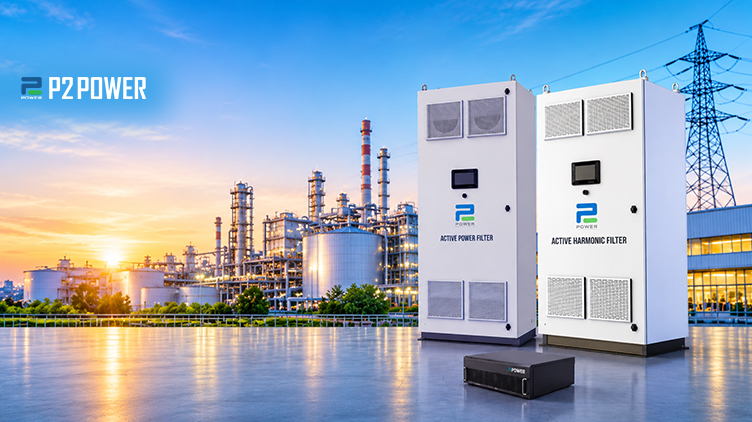
1. Active Harmonic Filter (AHF)
An Active Harmonic Filter is designed to reduce harmonic currents generated by non-linear electrical loads. It injects compensating currents to counteract unwanted harmonics and helps improve the overall power quality of electrical systems.
Key benefits:
- Reduces harmonic distortion.
- Helps prevent equipment overheating.
- Reduces harmonic-related electrical losses.
- Improves electrical system performance.
- Supports reliable industrial operations.
2. Static Var Generator (SVG)
A Static Var Generator provides dynamic reactive power compensation to improve power factor and support voltage stability at the point of connection. It responds quickly to changing reactive power requirements in industrial electrical systems.
Key benefits:
- Dynamic reactive power compensation.
- Improved power factor.
- Fast response to changing loads.
- Reduced reactive current.
- Improved electrical system efficiency.
3. Automatic Power Factor Correction (APFC) Panel
An Automatic Power Factor Correction panel automatically switches capacitor banks according to the reactive power demand of the electrical load. It helps maintain the desired power factor in industrial and commercial installations.
Key benefits:
- Automatic power factor correction.
- Reduced reactive power demand from the supply.
- Helps avoid power factor-related penalties.
- Improved electrical system utilization.
- Suitable for varying industrial loads.
4. Real-Time Power Factor Correction (RTPFC)
A Real-Time Power Factor Correction system is designed for applications where electrical loads change rapidly. It provides fast reactive power compensation to maintain a better power factor under dynamic operating conditions.
Key benefits:
- Fast power factor correction.
- Suitable for rapidly changing loads.
- Improved reactive power management.
- Supports stable industrial operations.
- Helps improve electrical efficiency.
5. Voltage Regulation Solutions
Voltage regulation equipment helps maintain a stable voltage supply and protect electrical equipment from voltage variations.
Common technologies include:
- Dynamic Voltage Restorer (DVR).
- Active Voltage Conditioner (AVC).
- Static Voltage Regulator (SVR).
- Servo Voltage Stabilizer (SVS).
These products address different voltage-related problems, depending on their design and application.
Benefits of Power Quality Solutions for Industries
Implementing suitable power quality solutions can provide several advantages for industrial and commercial facilities.
1. Improved Equipment Performance: Better electrical conditions support the reliable operation of industrial machinery, motors, and sensitive electronic equipment.
2. Reduced Harmonic Distortion: Harmonic mitigation helps reduce additional heating, electrical losses, and disturbances caused by excessive harmonics.
3. Better Power Factor: Reactive power compensation helps improve power factor and optimize electrical system utilization.
4. Improved Energy Efficiency: Reducing unnecessary electrical losses can support better overall energy efficiency.
5. Reduced Equipment Downtime: Managing electrical disturbances helps minimize power quality-related operational interruptions.
6. Improved Electrical Reliability: Properly selected power quality equipment supports more stable and reliable industrial electrical systems.
Applications of Power Quality Solutions
Power quality equipment is used across various industries where reliable electricity is essential.
Some major applications include:
- Manufacturing and production facilities.
- Automotive industries.
- Textile and garment industries.
- Pharmaceutical manufacturing.
- Steel and metal processing plants.
- Data centres and IT infrastructure.
- Commercial buildings and shopping malls.
- Food processing industries.
- Renewable energy and infrastructure projects.
How to Choose the Right Power Quality Solution?
Selecting the right power quality equipment requires proper evaluation of the electrical system.
Consider the following factors:
- Identify the electrical problem: Determine whether the issue is harmonic distortion, low power factor, voltage fluctuations, or reactive power demand.
- Conduct a power quality audit: Measure voltage, current, harmonics, power factor, and load characteristics.
- Understand load requirements: Evaluate the type and variation of electrical loads.
- Select suitable equipment: Choose the appropriate AHF, SVG, APFC, RTPFC, or voltage regulation solution.
- Consult power quality experts: Professional assessment helps ensure correct equipment selection, sizing, and installation.
Why Choose P2 Power Solutions for Power Quality Products?
P2 Power Solutions focuses on advanced electrical power quality technologies designed for industrial and commercial applications.
With solutions covering harmonic mitigation, reactive power compensation, power factor correction, and voltage regulation, businesses can explore suitable technologies for improving their electrical systems.
Whether your facility requires an Active Harmonic Filter, Static Var Generator, APFC panel, RTPFC system, or voltage regulation equipment, selecting the right solution is important for achieving reliable electrical performance.
Explore P2 Power Solutions to learn more about industrial power quality products and electrical solutions.
Frequently Asked Questions (FAQs)
1. What are Power Quality?
Power Quality Solutions are technologies and equipment used to address electrical problems such as harmonic distortion, low power factor, voltage fluctuations, and reactive power issues.
2. Why are Power Quality Solutions important for industries?
They help improve electrical system performance, manage electrical disturbances, improve power factor, reduce unnecessary losses, and support reliable industrial operations.
3. What are the main types of power quality products?
Common products include Active Harmonic Filters, Static Var Generators, APFC panels, RTPFC systems, and voltage regulation equipment.
4. How does an Active Harmonic Filter improve power quality?
An Active Harmonic Filter injects compensating currents to reduce harmonic distortion generated by non-linear electrical loads.
5. What is the difference between AHF and SVG?
An Active Harmonic Filter primarily addresses harmonic distortion, while a Static Var Generator primarily provides dynamic reactive power compensation and power factor improvement.
6. How can industries improve their power factor?
Industries can improve power factor by using suitable reactive power compensation equipment, such as APFC panels and Static Var Generators.
7. Which industries need power quality solutions?
Manufacturing, automotive, textile, pharmaceutical, steel, food processing, data centre, and other industries with sensitive or variable electrical loads can benefit from appropriate power quality solutions.
Conclusion
Power quality is essential for maintaining reliable and efficient industrial electrical systems. Problems such as harmonic distortion, low power factor, voltage fluctuations, and reactive power demand can affect equipment performance and operational productivity.
By implementing suitable technologies such as Active Harmonic Filters, Static Var Generators, APFC panels, RTPFC systems, and voltage regulation equipment, industries can address these challenges and improve electrical system performance.
For advanced industrial power quality products and solutions, visit P2 Power Solutions and explore technologies designed for modern industrial electrical requirements.
Leave a Reply