Importance, Benefits, Types and Solutions for Industries
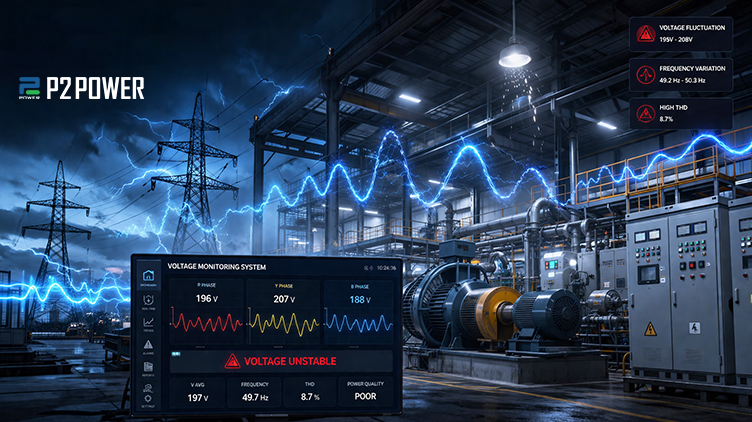
Voltage stability is essential for the smooth and reliable operation of modern industrial and commercial electrical systems. Manufacturing plants, automation systems, data centres, hospitals, and other critical facilities depend on a consistent power supply to operate their equipment efficiently. However, voltage fluctuations, voltage sags, voltage swells, and other electrical disturbances can affect equipment performance and interrupt operations.
Voltage Regulation plays an important role in maintaining a stable electrical supply and protecting sensitive equipment from unwanted voltage variations. By using advanced voltage regulation technologies, industries can improve power quality, minimize voltage-related interruptions, and support reliable operations.
What Is Voltage Regulation?
Voltage regulation is the process of maintaining the electrical supply voltage within an acceptable operating range, even when input voltage or electrical load conditions change.
In industrial electrical systems, voltage variations can occur due to sudden load changes, heavy motor starting, power network disturbances, and transmission or distribution issues.
Proper voltage regulation helps maintain a consistent supply to connected equipment, reducing the impact of voltage disturbances and supporting reliable electrical performance.
Why Is Voltage Regulation Important for Industries?
Industrial machinery and sensitive electronic equipment require suitable voltage levels for efficient operation. Unstable voltage conditions can create several operational challenges.
Some important reasons why industries need voltage regulation include:
- Equipment Protection: Helps protect sensitive electrical and electronic equipment from voltage variations.
- Reduced Downtime: Helps minimize equipment trips and production interruptions caused by voltage disturbances.
- Improved Power Quality: Supports stable voltage conditions for industrial electrical systems.
- Reliable Machinery Operation: Helps motors, automation systems, and precision equipment operate within their required voltage range.
- Better Operational Efficiency: Supports consistent industrial operations and helps reduce voltage-related equipment stress.
Common Voltage Problems in Industrial Electrical Systems
Before selecting voltage regulation equipment, it is important to understand the common voltage-related problems.
1. Voltage Sag
Voltage sag is a temporary reduction in the RMS voltage level. It can occur due to short-circuit faults, large motor starting, or disturbances in the electrical distribution network.
Voltage sags can cause PLCs, variable speed drives, contactors, and sensitive production equipment to trip or malfunction.
2. Voltage Swell
Voltage swell refers to a temporary increase in RMS voltage above the normal operating level. It can occur due to sudden load changes, switching operations, or electrical system faults.
Excessive voltage swells may create additional stress on electrical equipment and sensitive electronic components.
3. Voltage Fluctuations
Voltage fluctuations are variations in the supply voltage caused by changing loads, heavy electrical equipment, and unstable supply conditions.
Frequent fluctuations can affect industrial machinery, automation systems, and precision equipment.
4. Voltage Imbalance
Voltage imbalance occurs when the three-phase supply voltages are unequal. It can increase motor heating, affect equipment performance, and create additional electrical losses.
5. Short Interruptions
Short interruptions occur when the supply voltage drops significantly or is temporarily lost. Even brief interruptions can disturb sensitive industrial processes and cause production equipment to shut down.
Types of Voltage Regulation Solutions
Different electrical disturbances require different voltage regulation technologies. Selecting the right equipment depends on the nature of the voltage problem, connected load, required response time, and application requirements.
Dynamic Voltage Restorer (DVR)
A Dynamic Voltage Restorer (DVR) is an advanced power quality solution designed to protect critical electrical loads from voltage sags, swells, and other grid disturbances.
It monitors the incoming supply and injects compensating voltage when a disturbance occurs, helping maintain a stable voltage at the load side.
Key Features and Benefits:
- Fast response to voltage disturbances.
- Compensation for voltage sags and swells.
- Protection for sensitive industrial equipment.
- Helps reduce voltage-related production interruptions.
- Supports critical and precision applications.
Industrial Applications:
- Semiconductor manufacturing.
- Data centres.
- Precision machine tools.
- PLC and automation systems.
- Variable speed drives.
- Refrigeration equipment.
Explore the Dynamic Voltage Restorer (DVR) from P2 Power Solutions.
Active Voltage Conditioner (AVC)
An Active Voltage Conditioner (AVC) is an advanced power conditioning solution designed to improve voltage and current quality in electrical systems.
Depending on its configuration, it can compensate for voltage and current harmonic distortion, voltage disturbances, and other power quality issues. It helps support the stable operation of sensitive industrial loads.
Key Features and Benefits:
- Helps compensate for voltage and current harmonic distortion.
- Supports improved electrical power quality.
- Fast response to electrical disturbances.
- Helps improve the performance of sensitive equipment.
- Supports reliable industrial electrical operations.
Industrial Applications:
- Manufacturing facilities.
- Industrial automation.
- Sensitive electronic equipment.
- Data and communication systems.
- Facilities with non-linear electrical loads.
Discover the Active Voltage Conditioner (AVC) from P2 Power Solutions.
Static Voltage Regulator (SVR)
A Static Voltage Regulator (SVR) uses electronic power control technology to maintain a stable output voltage despite fluctuations in the incoming electrical supply.
Unlike conventional mechanical voltage regulation systems, a static voltage regulator uses electronic regulation for fast voltage correction. It is suitable for applications where voltage stability and reliable equipment operation are important.
Key Features and Benefits:
- Fast electronic voltage correction.
- Stable output voltage.
- Independent phase voltage correction.
- Helps protect sensitive electrical equipment.
- Reduced maintenance requirements.
- Helps minimize voltage-related equipment downtime.
Industrial Applications:
- CNC machines.
- Robotics and automation.
- Textile industries.
- Printing and packaging equipment.
- Automotive manufacturing.
- Testing and research laboratories.
Explore the Static Voltage Regulator (SVR) from P2 Power Solutions.
Servo Voltage Stabilizer (SVS)
A Servo Voltage Stabilizer (SVS) is designed to maintain a consistent output voltage despite variations in the incoming mains supply.
It uses a servo motor-controlled mechanism and a closed-loop control system to monitor input voltage and automatically adjust the output voltage according to the required reference level.
Key Features and Benefits:
- Automatic and continuous voltage regulation.
- Helps protect connected equipment from under-voltage and over-voltage conditions.
- Stable output voltage.
- Suitable for single-phase and three-phase applications.
- Helps reduce voltage-related equipment interruptions.
- Supports reliable industrial operations.
Industrial Applications:
- Manufacturing plants.
- Hospitals and medical facilities.
- CNC and precision machinery.
- Commercial buildings.
- Industrial automation.
- Laboratory equipment.
Learn more about the Servo Voltage Stabilizer from P2 Power Solutions.
Difference Between DVR, AVC, SVR and Servo Voltage Stabilizer
Although all four products are related to voltage regulation and power quality, they serve different purposes.
| Product | Primary Function |
|---|---|
| Dynamic Voltage Restorer (DVR) | Compensates for voltage sags, swells, and disturbances. |
| Active Voltage Conditioner (AVC) | Helps improve voltage and current quality through active compensation. |
| Static Voltage Regulator (SVR) | Provides fast electronic voltage regulation. |
| Servo Voltage Stabilizer (SVS) | Regulates output voltage using a servo-controlled mechanism. |
The right solution depends on the type, duration, and severity of voltage disturbances, as well as the sensitivity and requirements of the connected equipment.
Industries That Need Voltage Regulation Solutions
Voltage regulation is important across industries where stable electrical power is essential for production, automation, and equipment performance.
Some major applications include:
1. Manufacturing Industries: Protecting production machinery, automation systems, and electrical equipment from voltage variations.
2. Automotive Industries: Supporting reliable operation of robotic systems, welding equipment, and automated assembly lines.
3. Textile Industries: Maintaining suitable voltage conditions for spinning, weaving, knitting, and processing machinery.
4. Pharmaceutical Industries: Supporting sensitive production equipment, laboratory systems, and process automation.
5. Data Centres: Helping maintain suitable power conditions for critical electronic and IT infrastructure.
6. Healthcare Facilities: Supporting reliable voltage supply for diagnostic, laboratory, and medical electronic equipment.
7. Research and Testing Laboratories: Maintaining stable voltage conditions for precision instruments and testing systems.
How to Choose the Right Voltage Regulation Equipment?
Selecting the right voltage regulation solution is important for achieving reliable electrical performance.
Consider the following factors before choosing equipment:
- Identify the Voltage Problem: Determine whether your facility experiences voltage sags, swells, fluctuations, or phase imbalance.
- Evaluate Electrical Load: Understand the connected load capacity, load variations, and equipment sensitivity.
- Measure Power Quality: Conduct a power quality audit to understand voltage variations and electrical disturbances.
- Check Required Response Time: Select equipment according to how quickly the system needs to respond to voltage disturbances.
- Consider Application Requirements: Evaluate operating conditions, installation requirements, protection features, and system compatibility.
- Consult Technical Experts: Get professional guidance to select the correct voltage regulation technology and capacity.
Why Choose P2 Power Solutions for Voltage Regulation?
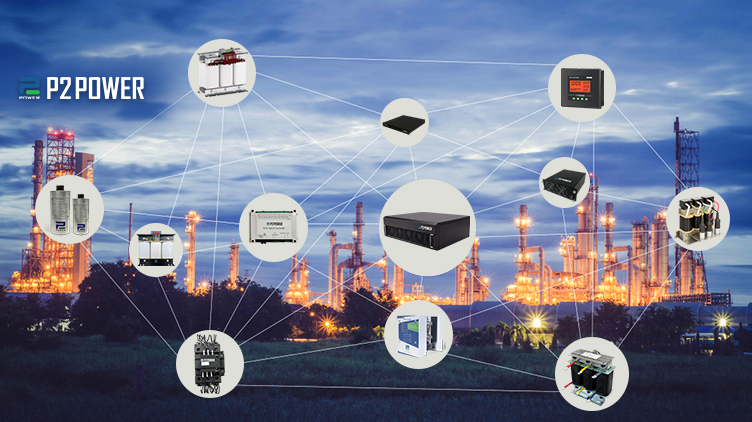
P2 Power Solutions offers advanced voltage regulation technologies for industrial and commercial applications.
Its voltage regulation product range includes:
- Dynamic Voltage Restorer (DVR).
- Active Voltage Conditioner (AVC).
- Static Voltage Regulator (SVR).
- Servo Voltage Stabilizer.
These solutions are designed to address different voltage-related challenges and support reliable electrical performance across various applications.
Whether your facility requires protection against voltage sags, active voltage conditioning, fast electronic voltage regulation, or automatic voltage stabilization, selecting the right technology is essential.
Explore the complete range of Voltage Regulation Solutions by P2 Power Solutions to find suitable products for your industrial and commercial electrical requirements.
Frequently Asked Questions (FAQs)
1. What is voltage regulation?
Voltage regulation is the process of maintaining electrical voltage within an acceptable range despite variations in the input supply or connected electrical load.
2. Why is voltage regulation important in industries?
It helps protect electrical equipment, reduce voltage-related interruptions, support reliable machinery operation, and maintain stable electrical conditions.
3. What are the main types of voltage regulation equipment?
Common voltage regulation technologies include Dynamic Voltage Restorers (DVR), Active Voltage Conditioners (AVC), Static Voltage Regulators (SVR), and Servo Voltage Stabilizers (SVS).
4. What is the difference between DVR and SVR?
A DVR primarily compensates for voltage disturbances such as sags and swells by injecting compensating voltage. An SVR electronically regulates the output voltage to maintain a stable supply.
5. What is the difference between a Static Voltage Regulator and a Servo Voltage Stabilizer?
A Static Voltage Regulator uses electronic power control for voltage correction, while a Servo Voltage Stabilizer uses a servo motor-controlled regulating mechanism.
6. Which industries require voltage regulation solutions?
Manufacturing, automotive, textile, pharmaceutical, healthcare, data centre, and research industries can benefit from suitable voltage regulation equipment.
7. How can I select the right voltage regulation system?
The selection depends on the voltage disturbance, load capacity, response time, equipment sensitivity, and operating requirements. A professional power quality assessment can help determine the right solution.
Conclusion
Voltage regulation is essential for maintaining stable and reliable electrical systems in modern industries. Voltage sags, swells, fluctuations, and imbalances can affect equipment performance and interrupt important industrial processes.
Advanced solutions such as Dynamic Voltage Restorers, Active Voltage Conditioners, Static Voltage Regulators, and Servo Voltage Stabilizers help address different voltage-related challenges.
By selecting the right voltage regulation equipment, industries can improve power quality, protect sensitive equipment, and support reliable operations.
For advanced industrial voltage regulation products and solutions, visit P2 Power Solutions and explore technologies designed for modern electrical systems.
Leave a Reply