Energy efficiency is critical for industrial facilities aiming to reduce operating costs and improve system reliability. One common but often overlooked problem that affects energy efficiency is harmonics. If not controlled, harmonics can lead to higher energy losses, equipment stress, and increased electricity bills.
What Are Harmonics?
Harmonics are unwanted electrical frequencies that distort the normal sinusoidal waveform of voltage and current. They are mainly generated by non-linear industrial loads that draw current unevenly from the power system.
Common industrial sources of harmonics include:
- Variable Frequency Drives (VFDs)
- UPS systems
- Rectifiers and converters
- PLC-controlled machinery
- Welding machines
- Industrial automation equipment
How Harmonics Reduce Energy Efficiency
1. Increased Electrical Losses
Harmonics cause additional current to flow through cables, transformers, and switchgear. This results in higher heat losses, meaning more energy is wasted instead of being used productively.
2. Overheating of Equipment
Harmonic currents increase temperature in motors, transformers, and panels. Overheating reduces equipment efficiency and shortens operational life.
3. Poor True Power Factor
Even if the displacement power factor seems acceptable, harmonics reduce the true power factor. A poor power factor leads to higher demand charges and inefficient energy usage.
4. Reduced System Capacity
Harmonics consume available system capacity. This limits the usable capacity of transformers and cables, forcing electrical systems to operate under stress and lowering efficiency.
5. Unplanned Downtime and Losses
Harmonics can cause malfunction of protection devices, nuisance tripping, and unstable operation of control systems. Each interruption results in energy loss and reduced productivity.
Signs That Harmonics Are Affecting Your Facility
Industries may experience harmonic issues if they notice:
- Unusual heating in transformers and electrical panels
- Frequent tripping of circuit breakers
- Higher electricity bills without an increase in production
- Noise or vibration in motors
- Poor power quality analysis reports
Long-Term Impact of Harmonics on Energy Costs
If harmonic problems are ignored, industries may face:
- Increased energy consumption
- Higher cooling and maintenance expenses
- Reduced equipment efficiency
- Early replacement of electrical assets
Over time, these issues significantly impact operating costs and system reliability.
How to Control Harmonics and Improve Energy Efficiency
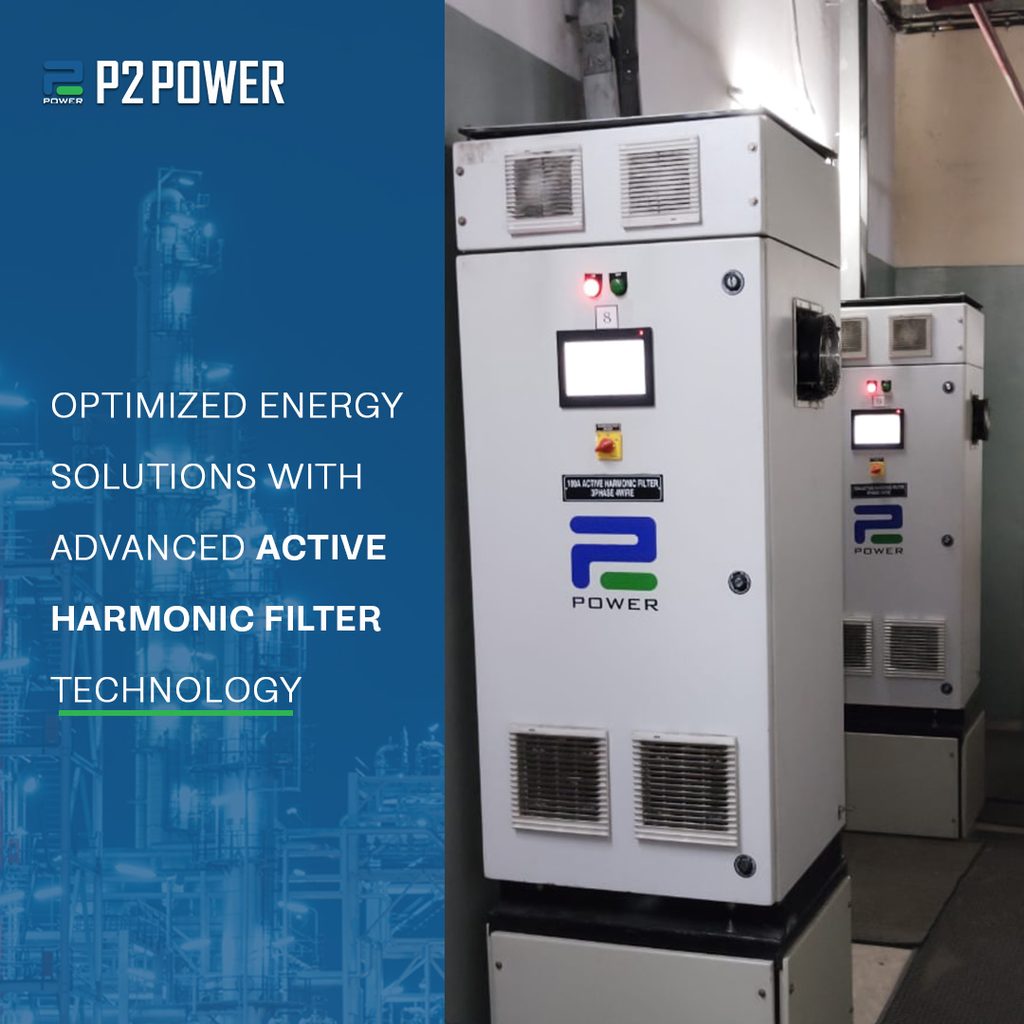
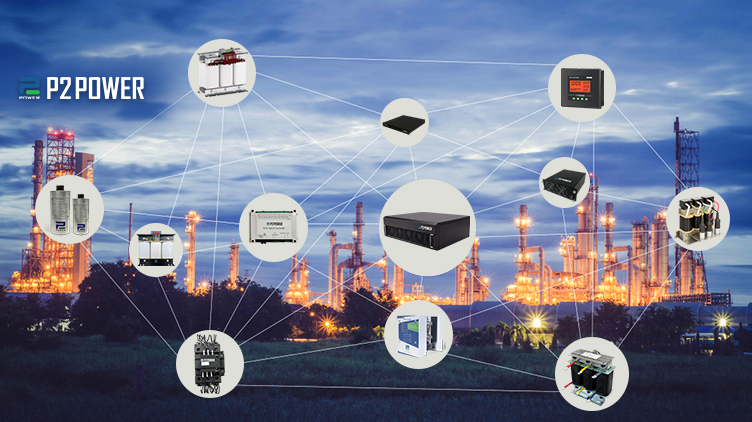
Effective harmonic mitigation helps restore energy efficiency. Common power quality solutions include:
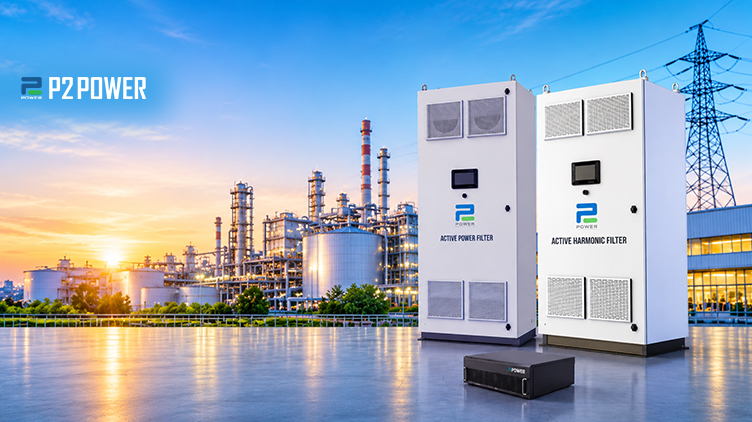
- Active Harmonic Filters (AHF) for dynamic harmonic elimination
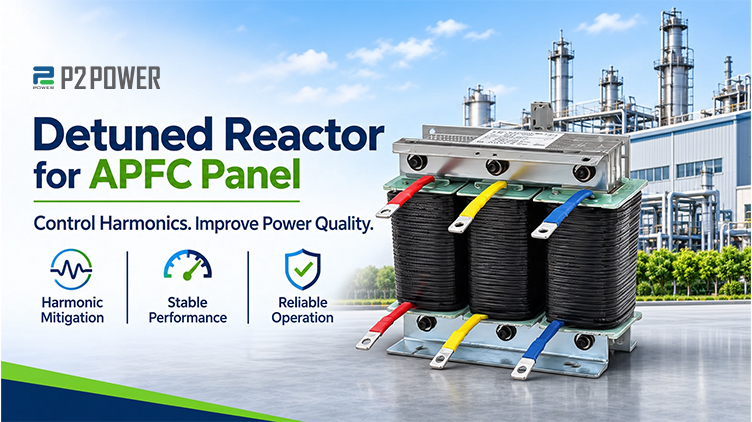
- Passive harmonic filters for stable load conditions
- Power quality monitoring systems to track distortion levels
- Proper electrical system design and load balancing
These solutions help reduce losses, improve power factor, and enhance overall energy efficiency.
Conclusion
Harmonics may not be visible, but their impact on energy efficiency is serious. Controlling harmonics helps industries reduce energy losses, protect equipment, and maintain reliable operations.
Investing in harmonic mitigation solutions is a smart step toward efficient, stable, and future-ready industrial power systems.
FAQs
1. How do harmonics affect energy efficiency in industrial facilities?
Harmonics increase electrical losses in cables, transformers, motors, and other equipment. They can cause overheating, reduce available system capacity, and lower overall energy efficiency, resulting in higher operating costs.
2. What causes harmonic distortion in industrial electrical systems?
Harmonic distortion is mainly caused by non-linear electrical loads such as Variable Frequency Drives (VFDs), UPS systems, rectifiers, welding machines, converters, and industrial automation equipment.
3. Can harmonics increase electricity bills?
Yes. Harmonics can increase electrical losses, reduce true power factor, and contribute to higher electricity costs. Depending on the utility tariff structure, poor power factor may also result in additional demand charges or penalties.
4. How do harmonics affect transformers and motors?
Harmonic currents increase heating and electrical losses in transformers and motors. Prolonged exposure can reduce equipment efficiency, accelerate insulation deterioration, increase maintenance requirements, and shorten equipment lifespan.
5. What is the relationship between harmonics and power factor?
Harmonic distortion can reduce true power factor even when displacement power factor is relatively high. This increases the current required to deliver useful active power and can reduce electrical system efficiency.
6. How can I identify harmonic problems in my industrial facility?
Common signs include overheating transformers, frequent circuit breaker tripping, unusual motor vibrations, increased electrical losses, capacitor failures, and unexpected changes in electricity consumption. A professional Power Quality Audit can identify harmonic distortion and its sources.
7. How can Active Harmonic Filters improve energy efficiency?
Active Harmonic Filters (AHF) continuously monitor harmonic currents and inject compensating currents to reduce harmonic distortion. This helps minimise additional electrical losses, reduce equipment heating, and improve power quality.
8. What is the difference between active and passive harmonic filters?
Active Harmonic Filters use power electronic converters to dynamically compensate for harmonic currents and adapt to changing load conditions. Passive Harmonic Filters use inductors and capacitors to mitigate selected harmonic frequencies and are generally designed for specific load conditions.
9. Can harmonic mitigation reduce industrial energy losses?
Yes. Effective harmonic mitigation can reduce additional losses in electrical distribution equipment, minimise overheating, and improve system operating conditions. Actual energy savings depend on the existing harmonic levels and electrical system configuration.
10. Which industries are most affected by harmonic distortion?
Industries operating non-linear electrical loads are particularly affected. These include automotive, iron and steel, cement, textile, pharmaceutical, FMCG, data centers, and manufacturing facilities.
11. What is the role of a Power Quality Audit in improving energy efficiency?
A Power Quality Audit evaluates electrical parameters such as voltage, current, harmonics, Total Harmonic Distortion (THD), and power factor. It helps identify power quality problems and recommends suitable corrective solutions to improve electrical system performance.
12. Which power quality solutions help control harmonics in industrial facilities?
Common solutions include Active Harmonic Filters (AHF), Passive Harmonic Filters, Active Power Filters (APF), and appropriate power factor correction systems. The right solution depends on harmonic levels, load characteristics, and electrical network requirements.
Leave a Reply