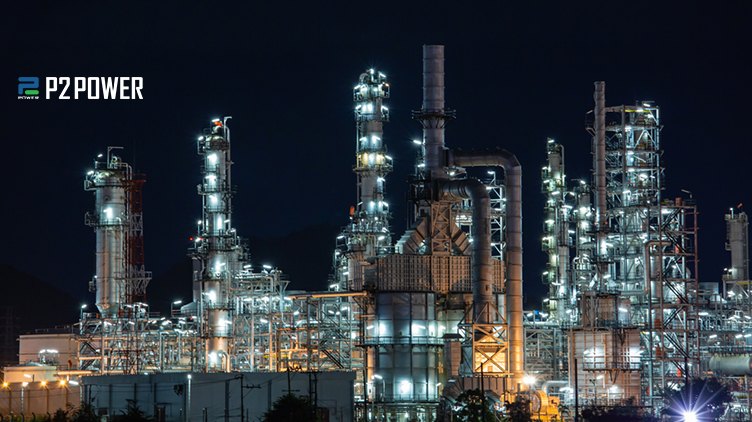
In today’s industrial world, machines, automation systems, and digital equipment depend heavily on a stable and clean power supply. Even small electrical disturbances can lead to production losses, equipment damage, and higher energy costs. This is where power quality becomes extremely important.
What Is Power Quality?
Power Quality refers to how clean, stable, and reliable the electrical power supply is. Good power quality means:
- Voltage and current remain within safe limits
- Power is free from disturbances like harmonics, surges, and fluctuations
- Equipment receives the right power at the right time
Poor power quality occurs when there are issues such as voltage dips, harmonics, power surges, flicker, or electrical noise.
Common Power Quality Problems in Industries
Industries use many non-linear and high-power loads, which can create power quality issues, such as:
- Harmonics – Caused by VFDs, UPS systems, and EV chargers
- Voltage sags and swells – Due to heavy loads or grid disturbances
- Power factor issues – Leading to higher electricity bills
- Electrical noise and transients – Affecting sensitive equipment
These problems may seem small but can cause serious long-term damage.
Why Power Quality Matters for Industries
1. Protects Equipment and Machinery
Poor power quality increases heat, stress, and wear on motors, drives, and control systems. Clean power helps extend equipment life and reduces breakdowns.
2. Reduces Downtime and Production Loss
Voltage disturbances can stop machines unexpectedly. Good power quality ensures smooth operation and uninterrupted production.
3. Improves Energy Efficiency
Power quality solutions reduce losses caused by harmonics and reactive power, helping industries use energy more efficiently.
4. Lowers Maintenance and Repair Costs
When electrical systems operate under stable conditions, maintenance frequency and repair expenses go down.
5. Ensures Compliance with Standards
Many utilities and regulations require industries to maintain acceptable power quality levels. Meeting these standards avoids penalties and operational restrictions.
Industries Most Affected by Power Quality Issues
Power quality is critical for almost all sectors, especially:
- Manufacturing plants
- Data centers
- EV charging infrastructure
- Hospitals and healthcare facilities
- Commercial buildings and malls
- Renewable energy and battery storage systems
How Power Quality Solutions Help
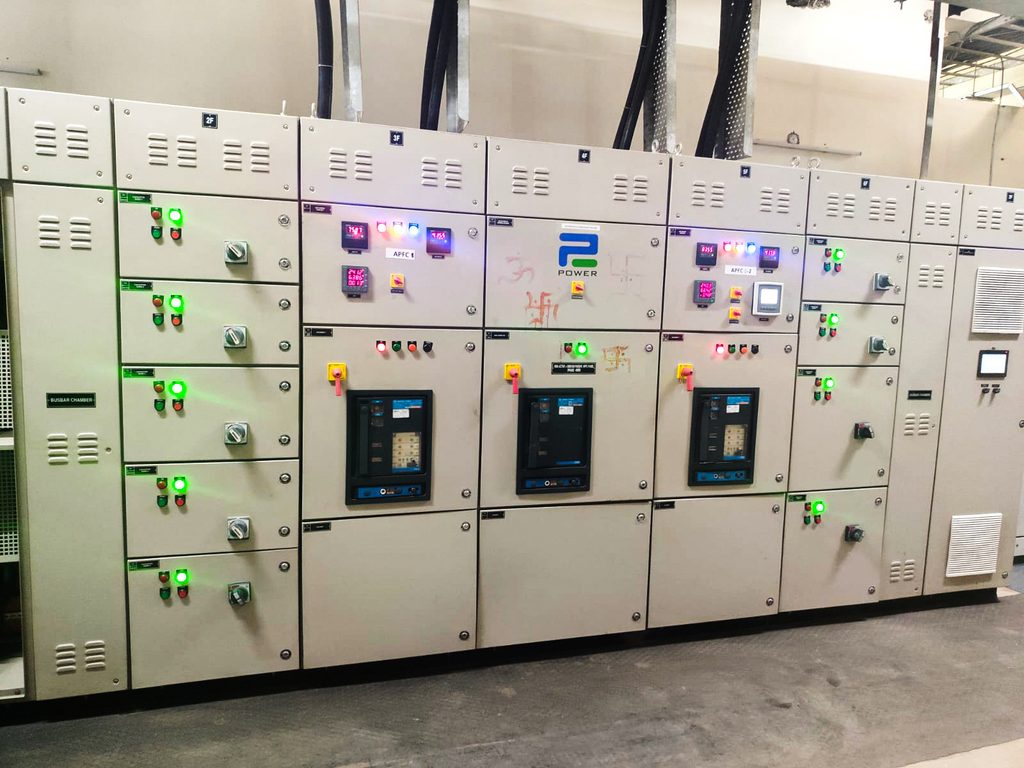
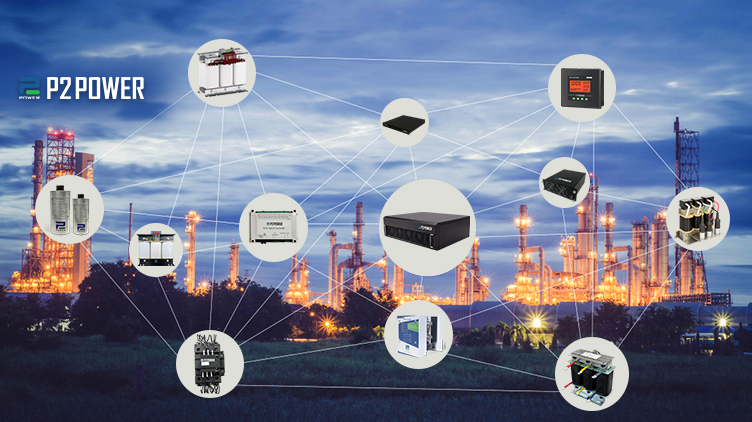
Advanced power quality solutions can identify, control, and eliminate electrical disturbances. These include:
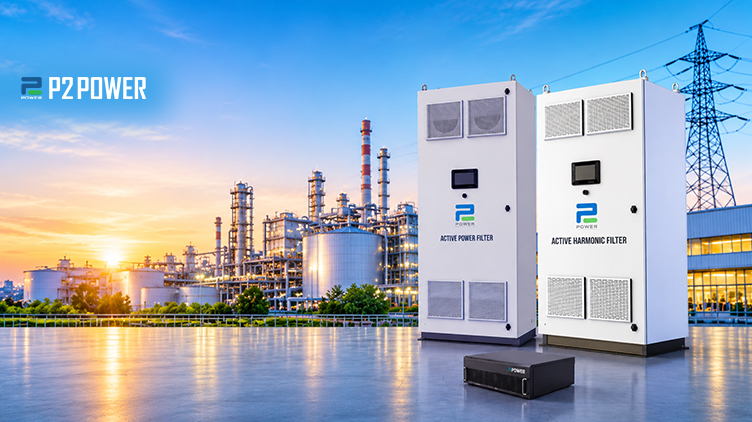
- Active Harmonic Filters (AHF)
- Power Factor Correction systems
- Voltage stabilization and surge protection
- Energy monitoring and management solutions
These solutions help industries achieve stable operations, energy savings, and long-term reliability.
Conclusion
Power quality is no longer optional—it is a necessity for modern industries. By investing in the right power quality solutions, industries can protect equipment, improve efficiency, reduce costs, and ensure smooth operations.
A strong power quality system not only improves today’s performance but also prepares industries for future technologies like EV charging, automation, and smart grids.
FAQs
1. What is power quality in electrical systems?
Power quality refers to the stability, reliability, and suitability of electrical voltage and current supplied to equipment. Good power quality ensures that electrical systems operate within acceptable limits without disturbances such as harmonics, voltage fluctuations, surges, and transients.
2. Why is power quality important for industries?
Power quality is important because it helps industries protect electrical equipment, reduce production downtime, improve energy efficiency, minimise maintenance costs, and maintain reliable industrial operations.
3. What are the most common power quality problems in industries?
Common industrial power quality problems include harmonic distortion, voltage sags, voltage swells, power surges, poor power factor, voltage flicker, electrical noise, and transient disturbances.
4. What causes poor power quality in industrial facilities?
Poor power quality can be caused by non-linear loads, variable frequency drives (VFDs), UPS systems, EV chargers, heavy motor starting, switching operations, grid disturbances, and improper electrical system design.
5. How does poor power quality affect industrial equipment?
Poor power quality can cause overheating of motors and transformers, frequent circuit breaker tripping, control system malfunctions, insulation damage, increased electrical losses, and premature equipment failure.
6. How can power quality improve energy efficiency?
Good power quality helps reduce harmonic-related electrical losses, improve power factor, minimise unnecessary heating, and support efficient utilisation of electrical infrastructure. This can help industries reduce operating costs and improve overall system performance.
7. Which industries need power quality solutions?
Industries that depend on sensitive electrical equipment and automated processes particularly benefit from power quality solutions. These include automotive, iron and steel, cement, textile, FMCG, manufacturing, data centers, hospitals, EV charging infrastructure, and renewable energy facilities.
8. What is the role of an Active Harmonic Filter in power quality improvement?
An Active Harmonic Filter (AHF) detects harmonic currents generated by non-linear loads and injects compensating currents to reduce harmonic distortion. It helps improve current waveform quality and reduce harmonic-related stress on electrical equipment.
9. How does power factor correction improve industrial power quality?
Power Factor Correction (PFC) systems compensate for reactive power demand, improve power factor, reduce unnecessary current flow, and release electrical system capacity. This supports more efficient operation of industrial electrical networks.
10. How can industries identify power quality problems?
Industries can identify power quality problems through a professional Power Quality Audit. It involves measuring voltage, current, harmonics, Total Harmonic Distortion (THD), power factor, voltage imbalance, and other electrical parameters to identify disturbances and their causes.
11. What are the key power quality standards for industrial electrical systems?
IEEE 519 provides recommended practices and requirements for controlling harmonic distortion in electrical power systems. Other applicable standards and regulations depend on the installation, equipment, and local electrical requirements.
12. What power quality solutions does P2 Power Solutions offer?
P2 Power Solutions provides advanced industrial power quality solutions, including Active Harmonic Filters (AHF), Active Power Filters (APF), Active Var Generators (SVG), Hybrid Power Factor Correction Systems, and power quality audit services to help industries address electrical disturbances and improve system performance.
Leave a Reply